
How Your Appliance Repair Contractor Diagnoses Your Appliance
Appliances are an essential part of our daily lives, making household tasks much easier and more efficient. However, when they malfunction, it can be both inconvenient and costly. Understanding how an appliance repair contractor approaches diagnosis can be beneficial for homeowners facing unexpected breakdowns. It gives you insight into the potential costs and time involved in repairing your appliance, helping you feel more prepared for the next steps.
Initial Visual Inspection
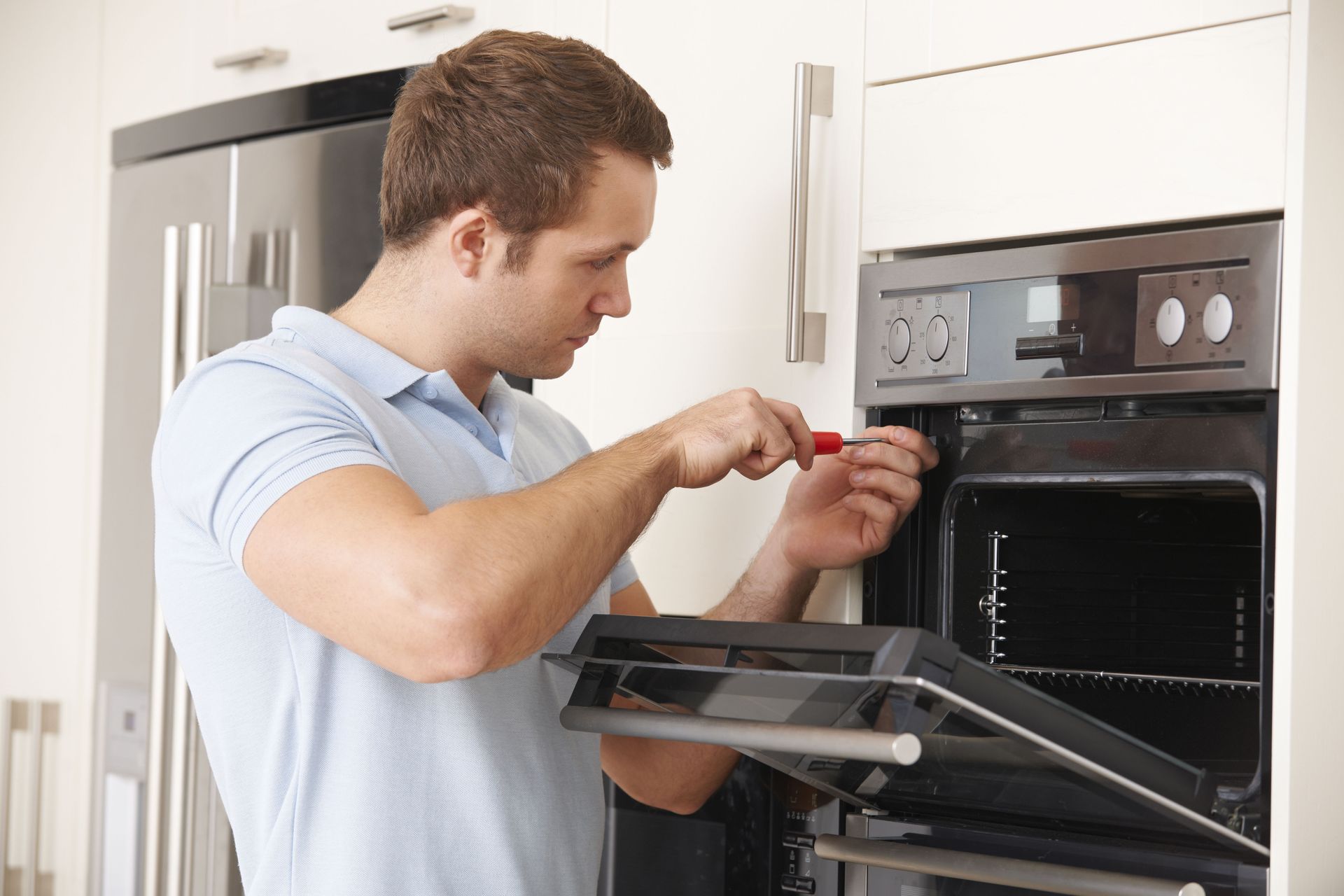
First and foremost, the diagnosis process begins with a detailed visual inspection. The technician will start by examining the appliance for any obvious signs of wear and tear, broken parts, or other visible issues. This step establishes a preliminary understanding of the problem, guiding the appliance repair contractor in deciding which components need further inspection. Often, this stage can already provide critical clues, saving both time and money by narrowing down the potential problems.
Using Diagnostic Tools and Electrical Testing
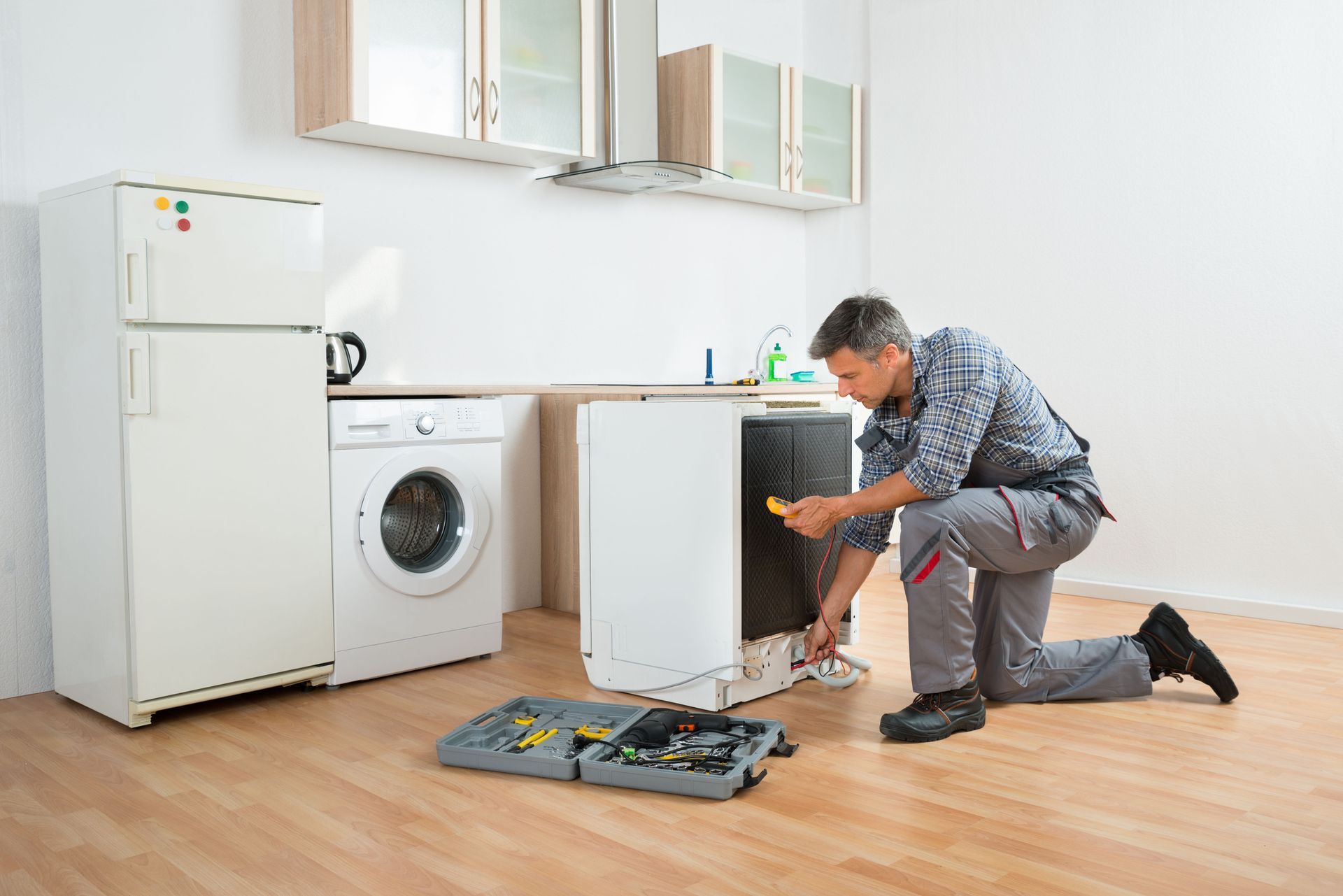
Once the visual inspection is complete, the contractor will employ a range of diagnostic tools and techniques to pinpoint the exact issue. Depending on the appliance, these tools can include multimeters, thermometers, and other specialized equipment. Electrical testing is particularly important, as many appliances are electrical or electronically controlled. For example, according to Bob Vila, an online home improvement resource, the most expensive refrigerator component to repair is the compressor, which usually starts at $500. A careful diagnostic process performed by an appliance repair contractor is critical to identifying such problems before they escalate into costly repairs.
Testing and Confirming the Diagnosis
The final step in the diagnosis process involves testing the appliance after potential issues have been identified and addressed. The contractor will usually run the appliance to see if the problem persists, making sure all components function correctly. This step confirms the accuracy of the diagnosis and helps verify that the repair work was effective. It also provides peace of mind for the homeowner, knowing that the appliance has been thoroughly checked and restored to proper working condition.
Understanding the diagnosis process used by a professional contractor can prepare you for any potential repairs. Comprehensive inspection, the use of advanced tools, and thorough testing are all parts of a detailed evaluation. By understanding how an appliance repair contractor works through these steps, homeowners can better manage repair decisions and keep their appliances operating reliably for years to come. To learn more, reach out to Value Appliance.

Share On: